A Legacy of Learning
Alumnus establishes the Dr. Jerry Lewis Achievement Scholarship to honor a pioneer and support future Terps
By Amina Symone Lampkin
Mohamed Savage ‘04 has lived a life of adventure—driving across the desert in Saudi Arabia, polishing his Spanish at the U.S. Embassy in Uruguay, even flying over the ice fields of Antarctica. Ask him how he got there, though, and he goes back to College Park and a mentor who insisted he belonged in the world he dreamed about.
“One of the most valuable things to me about Dr. Lewis’ mentorship was him encouraging me to be myself and to pursue my dreams,” Savage said. “That belief in myself is what’s taken me around the world and on adventures that I’ve often had to pinch myself to believe.”
Now he’s honoring that impact the best way he knows: by establishing a scholarship to honor the legacy of Dr. Jerry Lee Lewis, who has worked at the University of Maryland since October 1, 1972, establishing and leading Academic Achievement Programs since 1990.
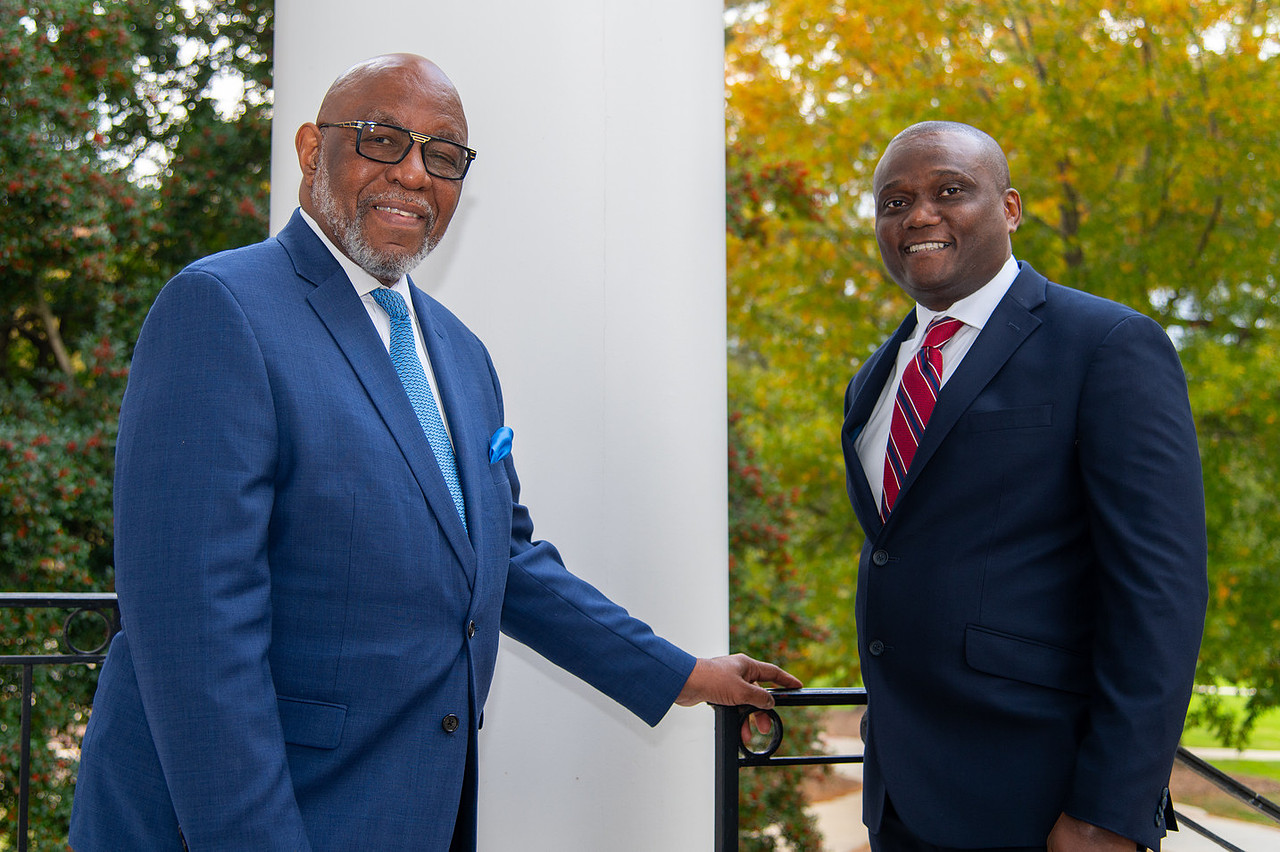
“I’m sure I’m not the only one to think about this, but just the first to act upon it,” said Savage.
He hopes other alumni of the program and supporters will give to the scholarship fund designed to break down financial barriers for “great thinkers”, as Dr. Lewis calls all AAP students.
AAP centralizes several programs providing academic support, advising, and tutoring, paying special attention to first-generation and low-income students. But more importantly, AAP was created as a “home away from home” for its students, faculty, and staff.
Dr. Lewis said he is touched that the scholarship will honor his leadership. “When you can find a job that becomes a ministry, it becomes congruent and then you can do it for a lifetime,” he said. “To have that lifetime recognized in the way of a scholarship for students to carry on what I know students have the ability to do, means a lot to me.”
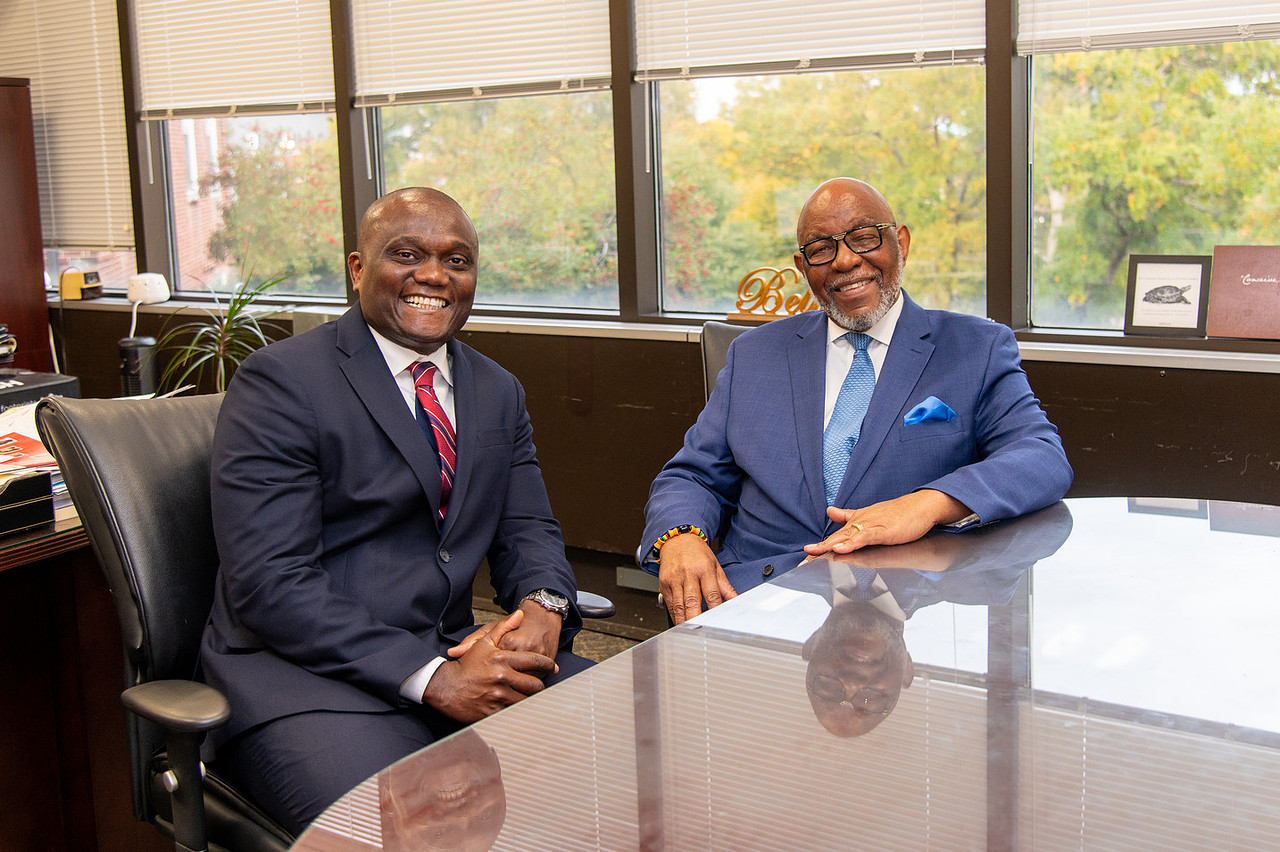 For
Savage, the program was crucial. Emigrating from Sierra Leone as a child, Savage grew up
always feeling just a step behind. He watched his mom work up to three jobs while also
trying to assimilate into a new culture. “My parents did everything they could, but there
are limitations. So much that you don’t know,” Savage shared.
For
Savage, the program was crucial. Emigrating from Sierra Leone as a child, Savage grew up
always feeling just a step behind. He watched his mom work up to three jobs while also
trying to assimilate into a new culture. “My parents did everything they could, but there
are limitations. So much that you don’t know,” Savage shared.
Upon graduating from Quince Orchard High School in Gaithersburg, Savage’s time as a Terp began with the AAP Summer Transitional Program (STP). Students spend six weeks in the summer before their freshman year getting a sneak peek into college life through a class schedule, living on campus, and team-building activities.
It was here that Savage’s world began to evolve.
“Every day in the STP program was a learning opportunity,” said Savage, who credits a lesson in speed-reading with changing his academic capacity. “I didn't even realize my reading speed was not as good as it should have been. It's not that I didn't like reading or I didn't like learning...But after that program, I love to learn and now I can't put books down.”
Coming of age as a Black male, Savage often felt that entertainment or sports were his only avenues to success. But seeing Dr. Lewis carry himself with so much grace and dignity expanded his horizons, Savage said.
Savage played football for the Terps during the 2001 ACC championship season and fondly remembers bonding with teammates and traveling for games. When Savage made the difficult decision to step away from football, Dr. Lewis encouraged him to explore possibilities.
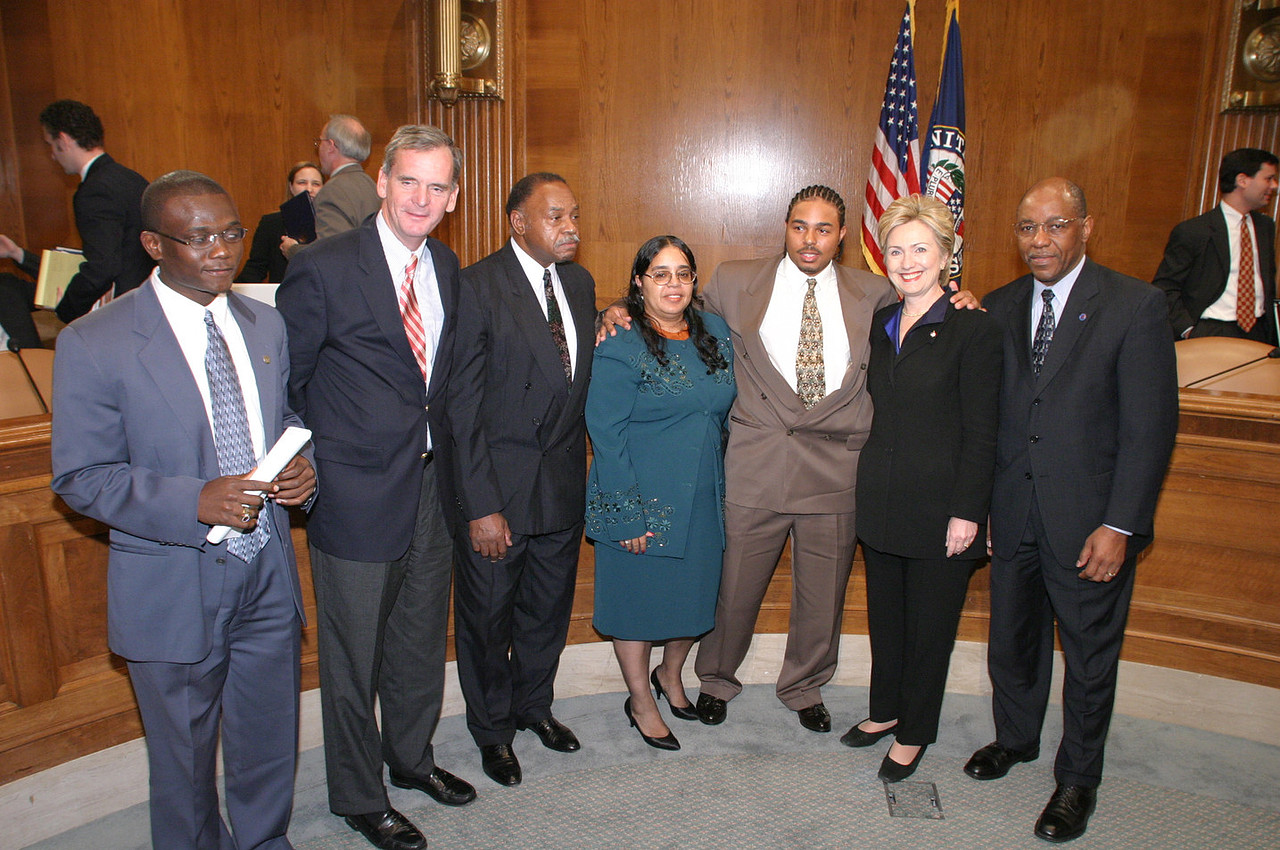 In 2003, Dr. Lewis, Savage, and another student testified before the United States Senate
Education Committee to advocate for TRIO program funding within AAP. TRIO programs are
federal outreach and student services programs for the same population of students as AAP:
low-income and first-generation. “I stood in the elevator with these people I never imagined
touching shoulders with,” said Savage, who met then-United States Senator Hillary Clinton
(D-NY).
In 2003, Dr. Lewis, Savage, and another student testified before the United States Senate
Education Committee to advocate for TRIO program funding within AAP. TRIO programs are
federal outreach and student services programs for the same population of students as AAP:
low-income and first-generation. “I stood in the elevator with these people I never imagined
touching shoulders with,” said Savage, who met then-United States Senator Hillary Clinton
(D-NY).
The trip was just another example of how his legacy could unfold in a way that he was not only proud of, but was also uniquely his.
Savage continued to excel at Maryland, graduating with his B.A. in African American studies and B.S. in business management. Following graduation, he secured a commission as a Second Lieutenant in the Air Force despite not having previous military experience. As he traveled around the world, Dr. Lewis’ lessons never left his side.
While stationed overseas, Savage and Dr. Lewis kept in touch via email. But whenever Savage came through D.C., he stopped by to visit his mentor and speak to current students. After a little over 10 years of active-duty service, Savage is now an advisor and consultant at the Pentagon.
Savage looks forward to continuing to support AAP, as well as to see his classmates do the same: “Dr. Lewis emboldened us to believe and to dream.”
Make a gift